

Key Takeaways:
- Root Cause: Postpartum hair loss is a temporary, hormonally driven condition called telogen effluvium that affects the majority of new moms and typically resolves within the first year.
- Inside-Out Support: Nutrients like protein, biotin, zinc, and iron play a direct role in postpartum hair growth, making consistent, clean nutrition one of the most effective tools available.
- Scalp Matters: Addressing scalp health through gentle massage, sulfate-free hair care, and stress management supports the regrowth environment from the outside in, complementing nutritional efforts.
You are brushing your hair one morning, and somehow the brush has more hair on it than your head does. No warning, no memo, just a sudden, dramatic shedding situation that no one put in the new-mom orientation packet. If it feels like your body is staging a revolt right after you already survived the hard part, you are not imagining it. Postpartum hair loss is real, it is incredibly common, and yes, there are things you can do about it.
At BOOBIE Superfoods, we were founded by a Registered Nurse and IBCLC, and we have spent years creating the first-to-market line of clean, science-backed superfood supplements built specifically for pregnant and nursing moms. Maternal wellness is not a side note for us. It is the whole mission.
In this article, we walk you through what actually causes postpartum hair loss, how to prevent postpartum hair loss from getting worse, and what you can do to support faster, healthier postpartum hair growth.
What Causes Postpartum Hair Loss (And Why It Is Actually Normal)
Postpartum hair loss catches a lot of moms off guard, mostly because nobody talks about it the way they should. Understanding what is actually happening in your body is the first step in knowing how to prevent postpartum hair loss from becoming more than it needs to be. Here is what is driving that dramatic shed:
Your Hormones Just Went Through A Major Shift
During pregnancy, elevated estrogen levels keep more hair in the active growth phase, which is why your hair looked so good for nine months. After delivery, estrogen drops sharply, and all that hair that stayed put during pregnancy enters the shedding phase at once. It is called telogen effluvium, and it is as normal as it is frustrating.
Your Iron And Thyroid Levels May Be Playing A Role
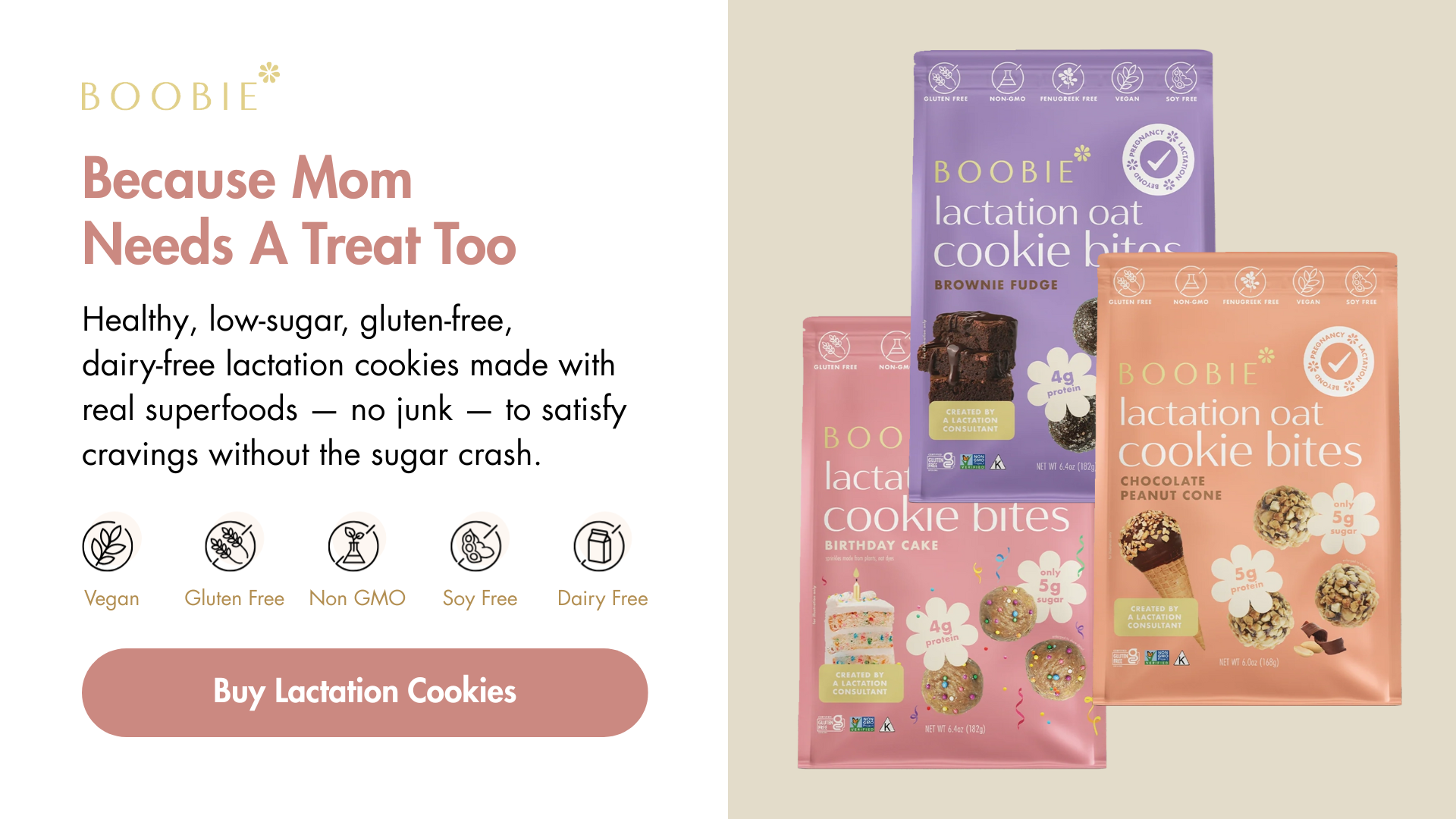
Hormones are not the only factor. Iron deficiency and thyroid imbalances are two commonly overlooked contributors to postpartum hair loss, and both are highly prevalent in the postpartum period. If your shedding feels excessive or lasts longer than expected, it is worth getting your levels checked with a lactation consultant or your care team. Reaching for lactation cookies made with real superfoods is an easy way to close nutritional gaps between meals without sacrificing clean ingredients.
Your Hair Growth Cycle Is Simply Catching Up
Hair grows in cycles: anagen (growth), catagen (transition), and telogen (rest and shed). Pregnancy essentially pauses the shedding phase, so postpartum your body is catching up all at once rather than gradually. It is not that you are losing more hair than normal overall. It just feels that way because it is all happening at the same time.

Postpartum Hair Loss Treatment: What Actually Works
Knowing why it happens is one thing. The most effective approach to how to prevent postpartum hair loss comes down to working with your body, not against it, and there are real, practical steps you can take to support your scalp and your strands from the inside out:
Feed Your Follicles With The Right Nutrients
Hair is made of protein, so if your intake is low, your body will prioritize more critical functions and let hair growth slide. Getting enough clean, plant-based protein alongside key micronutrients like biotin, zinc, and vitamin C gives your follicles what they need to recover. Keeping lactation bars on hand throughout the day makes it easier to stay consistently nourished, which matters when your body is working overtime on both recovery and regrowth.
Our dairy-free BOOBIE BODY protein powder is formulated specifically with moms in mind, making it an easy way to close that gap without the bloat. Adding a pregnancy safe protein powder to your daily routine is one of the simplest ways to make sure your body is getting the protein it needs to prioritize hair regrowth alongside everything else it is managing postpartum.
Support Your Scalp, Not Just Your Strands
Scalp health is often the missing piece that gets overlooked when addressing shedding after birth. Gentle scalp massage has been shown to increase hair thickness by stretching follicle cells and stimulating circulation. Pair that with sulfate-free, nourishing hair care and you are giving your scalp the environment it needs to support regrowth.
Manage Stress In A Way That Actually Fits Your Life
Chronic stress elevates cortisol, which can disrupt the hair growth cycle and prolong shedding. [6] We are not going to tell you to just relax, because we know that is not how new-mom life works. Even small, consistent habits like short walks, breathwork, or proper sleep hygiene can meaningfully reduce cortisol over time. Filling nutritional gaps with targeted postpartum supplements gives your body the micronutrients it needs to support regrowth from the inside out, especially during a season when consistent meals are not always realistic.

Final Thoughts
Postpartum hair loss is one of those things nobody warns you about, but almost every mom goes through. The question of can you prevent postpartum hair loss entirely does not have a simple yes, but you absolutely can support your body through it and reduce how severe it gets. Nourishing yourself consistently, caring for your scalp, managing stress in realistic ways, and filling nutritional gaps are all meaningful steps toward faster, healthier regrowth.
At BOOBIE Superfoods, we built our entire line with moments exactly like this one in mind. Clean, science-backed nutrition designed by a Registered Nurse and IBCLC, made specifically for the demands of motherhood at every stage. You are doing more than enough, and your body is working harder than you realize. Give it what it needs, and trust the process.
Frequently Asked Questions About Postpartum Hair Loss Prevention
Does breastfeeding make postpartum hair loss worse?
Breastfeeding itself does not directly cause hair loss, but the hormonal shifts and high nutritional demands of lactation can prolong shedding if you are not adequately nourished.
When does postpartum hair loss peak?
Most moms see peak shedding around three to four months postpartum, with regrowth typically beginning around six months.
Is it normal to still be losing hair at 12 months postpartum?
For some moms, yes. Extended shedding can be linked to nutritional gaps, thyroid function, or iron levels. If it continues past a year, connect with a lactation consultant to rule out underlying factors.
Can postpartum hair loss cause permanent thinning?
In most cases, no. Telogen effluvium is temporary and hair typically returns to its previous density.
Does hair texture change after pregnancy?
It can. Hormonal shifts can temporarily alter curl pattern, thickness, and texture. This usually normalizes as hormone levels stabilize.
How much daily shedding is considered normal postpartum?
Losing up to 150 hairs per day postpartum is within the expected range, compared to the typical 50 to 100 hairs per day outside of the postpartum period.
Should I change my shampoo during postpartum shedding?
Switching to a gentle, sulfate-free shampoo can reduce additional breakage and scalp irritation, supporting a healthier environment for regrowth.
Sources:
- Hirose, A., Terauchi, M., Odai, T., Fudono, A., Tsurane, K., Sekiguchi, M., Iwata, M., Anzai, T., Takahashi, K., & Miyasaka, N. (2023). Investigation of exacerbating factors for postpartum hair loss: A questionnaire-based cross-sectional study. International Journal of Women's Dermatology, 9(2), e084. https://doi.org/10.1097/JW9.0000000000000084
- Hirose, A., Terauchi, M., Odai, T., Fudono, A., Tsurane, K., Sekiguchi, M., Iwata, M., Anzai, T., Takahashi, K., & Miyasaka, N. (2024). Postpartum hair loss is associated with anxiety. Journal of Obstetrics and Gynaecology Research, 50(12), 2239–2245. https://doi.org/10.1111/jog.16130
- Tosti, A., & Schwartz, J. R. (2021). Role of scalp health in achieving optimal hair growth and retention. International Journal of Cosmetic Science, 43(S1). https://doi.org/10.1111/ics.12708

